Best Canadian Motor Inns Ltd. v Best Western International Inc., 2004 FC 135
Why Is This Case Important?
This case clarifies the interpretation of section 12(1)(b) of the Trademarks Act, particularly regarding the registrability of design marks that include dominant word elements. It affirms that even when a trademark includes visual design features, if the dominant words are clearly descriptive or deceptively misdescriptive when sounded, the mark may be refused registration. The decision also reinforces the principle that statutory interpretation must be grounded in the plain meaning of the legislation unless Parliament provides specific exceptions. It sets a precedent for how courts should approach appeals from the Trademarks Opposition Board, especially when new evidence is introduced. This case was adopted in section 4.4.10 of the Trademarks Examination Manual to assist trademark examiners with understanding the “sounded” test that is to be applied to composite trademarks.
Summary
Best Canadian Motor Inns Ltd. applied to register the trademark “BEST CANADIAN MOTOR INNS & DESIGN” for hotel and restaurant services, shown below:
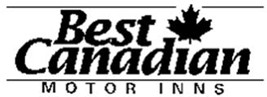
The application disclaimed exclusive rights to the words “BEST”, “CANADIAN”, “MOTOR”, and “INNS”, as well as the maple leaf design. Best Western International opposed the registration, arguing that the mark was confusing with its well-known “Best Western” trademarks and was clearly descriptive or deceptively misdescriptive under section 12(1)(b) of the Trademarks Act.
The Trademarks Opposition Board rejected the application solely on the basis of section 12(1)(b), concluding that the mark would be sounded as “BEST CANADIAN MOTOR INNS” and was therefore clearly descriptive of the services. Best Canadian appealed to the Federal Court, submitting new expert evidence emphasizing the visual design features of the logo.
Court Finding
The Federal Court dismissed the appeal, finding that the Board’s decision was reasonable. It held that the Board had properly considered the mark as a whole and had not ignored its design features, but correctly concluded that the dominant words “BEST CANADIAN MOTOR INNS” rendered it clearly descriptive when sounded. The Court found that the new expert evidence did not materially affect the Board’s findings and was insufficient to discharge the applicant’s legal burden to show registrability once the opponent had met its evidentiary burden. It further rejected arguments based on policy concerns and emphasized that any exceptions to section 12(1)(b) must be made by Parliament, not the courts.
Key Takeaway
Design elements in a trademark do not override the impact of clearly descriptive word components when assessing registrability under section 12(1)(b) of the Trademarks Act. Courts will defer to the Registrar’s expertise unless new evidence materially affects the decision. Statutory interpretation must adhere to the plain meaning of the law unless Parliament provides specific exceptions. This case reinforces the importance of dominant word elements in trademark analysis and limits the role of courts in addressing policy concerns.