Ottawa Athletic Club Inc. (Ottawa Athletic Club) v Athletic Club Group Inc., 2014 FC 672
Why Is This Case Important?
This decision is a significant authority in Canadian trademark law because it reinforces the principle that generic or descriptive terms cannot be monopolized, even when incorporated into a stylized or composite mark. It clarifies the legal standards for trademark distinctiveness, descriptiveness, and the prohibition against adopting marks that have become generic through commercial usage. The ruling reinforces that even if a trademark includes design elements, it may still be invalid if the dominant feature is a generic term. It further establishes that disclaiming generic wording does not insulate a trademark from invalidation under sections 10, 11, and 12 of the Trademarks Act when the disclaimed words continue to drive consumer perception.
Summary
The Applicant, Ottawa Athletic Club Inc. (OAC), had operated a fitness facility in Ottawa since 1976 under the name “Ottawa Athletic Club.” The Respondent, The Athletic Club Group Inc., began using the trademark “The Athletic Club & Design” in 1997, later obtaining a Canadian registration in 2005. The Athletic Club & Design appeared as follows:
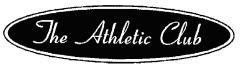
The Respondent expanded into Ottawa in 2010–2011, prompting OAC to seek expungement of the trademark and a permanent injunction against its use. OAC argued that the trademark was invalid because it was confusing with its own long-standing trade name, was clearly descriptive, lacked distinctiveness, and violated section 10 of the Trademarks Act by adopting a term that had become generic through commercial usage. The section 10 analysis was a crucial issue in the case because, without its prohibitory language, a permanent injunction would not otherwise have been appropriate.
Court Finding
The Federal Court found that the trademark “The Athletic Club & Design” was invalid and ordered it to be expunged from the Canadian trademark register. The Court concluded that the dominant feature of the mark—the words “athletic club”—had, by 1997, become a generic term widely used in Canada to designate fitness facilities and related services. Despite the inclusion of the oval and script design elements and a disclaimer of the words “athletic club”, the Court held that this did not render the mark distinctive or protect it from invalidation. The trademark was held to be clearly descriptive of the services offered, lacked acquired distinctiveness at the relevant time, and contravened section 10 of the Trademarks Act, which prohibits the adoption of marks that have become generic through ordinary commercial usage. As a result, the Court issued a permanent injunction prohibiting the Respondent from using the trademark or its common law equivalent and awarded costs to the Applicant.
Key Takeaway
Generic or descriptive terms cannot be monopolized through trademark registration, even if accompanied by design elements or disclaimed. A trademark must be distinctive and not merely describe the services it represents. If a term has become widely recognized through bona fide commercial usage as designating a kind of service (e.g., “athletic club”), it cannot be adopted as a trademark. This case underscores the importance of conducting thorough trademark clearance searches and avoiding generic terms as dominant branding features.